
The post-click experience plays a crucial role in converting users, but not all purchases follow the same decision-making process. High-ticket and low-ticket items require distinct approaches to optimize conversions effectively. A one-size-fits-all strategy will fail to address the different levels of consideration, trust, and urgency involved in these purchases.
This article explores tailored post-click strategies for both high-ticket and low-ticket items, ensuring that each purchase journey is optimized for success.
Understanding Purchase Complexity
Before diving into strategies, it's essential to recognize how high-ticket and low-ticket purchases differ:
- High-ticket items (e.g., luxury watches, high-end electronics, furniture, B2B software) require more research, trust, and persuasion. These purchases often involve longer decision cycles and higher perceived risk.
- Low-ticket items (e.g., apparel, accessories, books, household items) rely on impulse-driven decisions, price sensitivity, and ease of purchase.
Since user behavior differs significantly between these categories, the post-click experience must adapt accordingly.
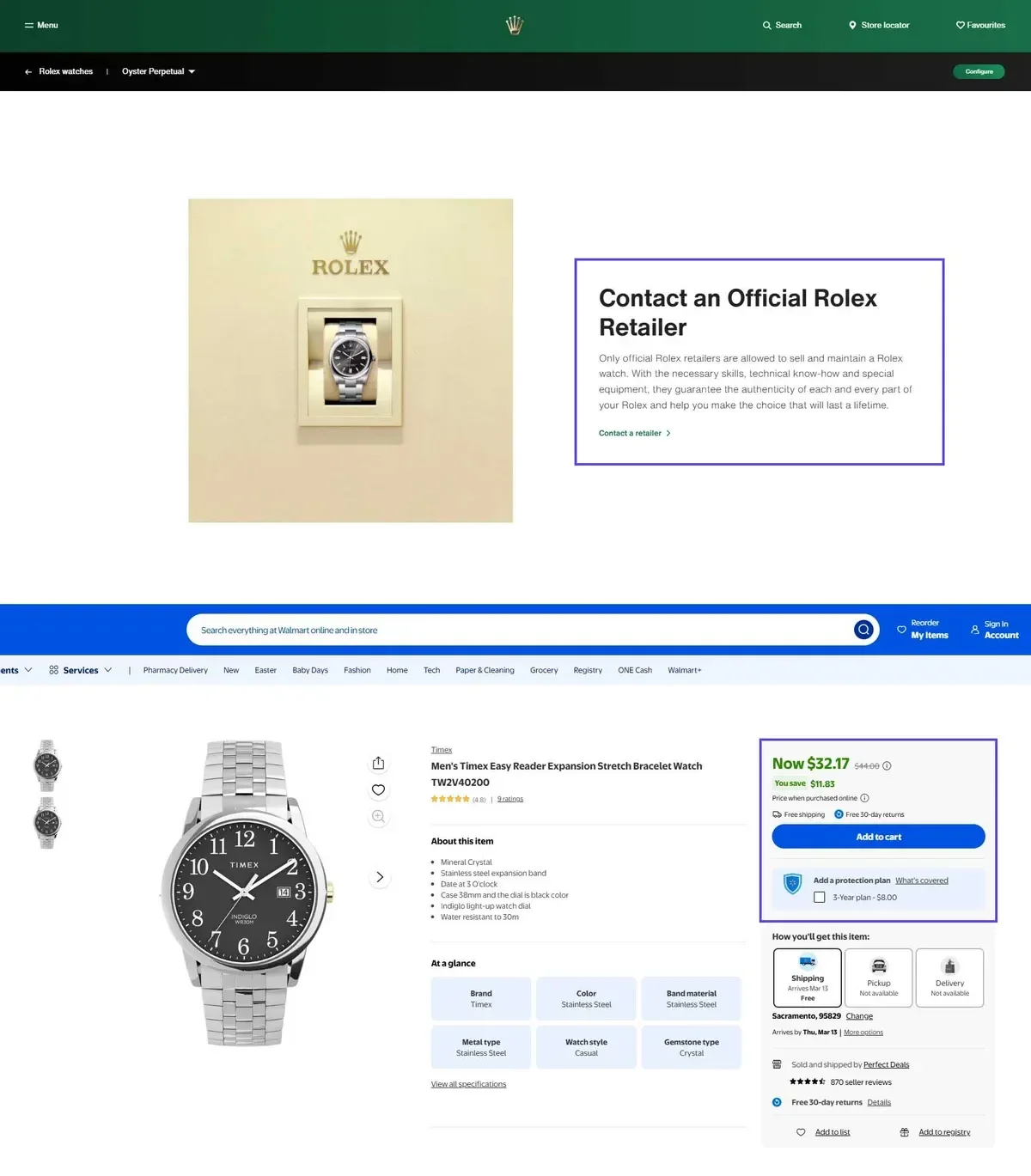
Post-Click Strategies for High-Ticket Items
1. Build Trust with In-Depth Product Information
High-ticket purchases require detailed explanations to justify their value.
- Provide long-form product descriptions highlighting key benefits, materials, and craftsmanship.
- Use comparison charts to differentiate from competitors.
Example: Instead of just listing "4K OLED Display," explain, "Experience true-to-life colors with a 4K OLED display, delivering deep contrast and cinematic visuals, perfect for home theaters."
2. Use High-Quality Visuals & Interactive Media
Buyers want to explore the product in detail before committing.
- Offer 360-degree product views and interactive demos.
- Include detailed close-ups of product features.
Example: For a high-end sofa, provide an augmented reality (AR) view so customers can see how it fits in their living room.
3. Leverage Customer Testimonials & Case Studies
Social proof plays a massive role in easing hesitations.
- Showcase video testimonials and detailed case studies.
- Include real-world applications and success stories.
Example: A premium mattress brand could feature a testimonial: "After years of back pain, this mattress has given me the best sleep of my life. Worth every penny!"
4. Offer Live Chat & Consultation
Customers often have questions before making a significant investment.
- Implement live chat with experts to answer pre-purchase queries.
- Provide personalized video consultations for in-depth assistance.
Example: A high-end laptop retailer could offer a "Book a Consultation" option to help customers choose the right configuration.
5. Flexible Payment & Risk Reduction Strategies
Mitigate perceived financial risk to increase conversions.
- Offer financing options like "Buy Now, Pay Later."
- Provide a clear return policy with a money-back guarantee.
Example: "Try it risk-free for 30 days. Love it, or get a full refund-no questions asked."
Post-Click Strategies for Low-Ticket Items
1. Simplify the Product Page for Fast Decision-Making
Since low-ticket purchases are often impulse-driven, remove unnecessary friction.
- Keep descriptions concise, focusing on key benefits.
- Use bullet points for quick scanning.
Example: Instead of "Our socks are made from a cotton-polyester blend," say, "Ultra-soft, breathable socks that keep your feet fresh all day."
2. Use Scarcity & Urgency Tactics
Encourage immediate action with limited-time offers.
- Show stock levels ("Only 3 left in stock!").
- Use countdown timers for flash sales.
Example: "Hurry! 50% off ends in 2 hours."
3. Optimize for Mobile & One-Click Checkout
Low-ticket items should be incredibly easy to purchase.
- Ensure a seamless mobile experience with autofill-enabled checkout.
- Implement one-click checkout for returning customers.
Example: "Tap to Buy – Get it delivered tomorrow with one-click checkout."
4. Highlight Bundles & Upsells
Maximize order value by suggesting complementary products.
- Offer bundle discounts ("Buy 2, get 1 free").
- Use add-on recommendations ("Complete the look with matching accessories!").
Example: When selling a water bottle, suggest: "Pair with our insulated bottle sleeve for all-day temperature control."
5. Clear & Reassuring Return Policy
Even small purchases need a sense of security.
- Highlight easy returns and refunds.
- Offer quick support for post-purchase inquiries.
Example: "Hassle-free returns within 30 days-just send it back if you don’t love it."
Final Thoughts
The post-click experience must align with the complexity of the purchase. While high-ticket items require trust-building, detailed content, and personalized engagement, low-ticket items thrive on simplicity, urgency, and frictionless checkout. By tailoring your post-click strategies accordingly, you can maximize conversions across different product categories.
Are your product pages optimized for their price points? Implement these strategies to ensure your post-click experience is working in your favor.