
Returns and buyer’s remorse can significantly impact profitability, especially in eCommerce. While some returns are unavoidable, many are preventable by setting clear expectations before purchase and reinforcing confidence afterward. A well-structured post-purchase experience reduces return rates, increases customer satisfaction, and fosters long-term loyalty.
Why It Matters
High return rates can eat into margins and increase operational costs. According to a Narvar study, 56% of shoppers return items due to unmet expectations, often stemming from misleading product descriptions, poor-quality images, or unclear sizing guides. Additionally, buyer’s remorse-a psychological reaction to post-purchase doubt-can lead to unnecessary returns and lost customer trust. Proactively addressing these issues ensures customers feel confident about their purchase decisions.
Strategies to Reduce Returns & Buyer’s Remorse
1. Set Clear Expectations Pre-Purchase
Most returns happen because the product didn’t meet expectations. Avoid this by providing accurate, detailed product information.
- Use high-quality images and videos: Show products from multiple angles and in real-life scenarios.
- Include detailed specifications: Sizes, dimensions, materials, and features should be crystal clear.
- Use customer reviews and UGC: Display real-world experiences to validate claims.
2. Offer a Fit & Size Recommendation Tool
For apparel and footwear brands, sizing confusion is a leading cause of returns.
- Implement interactive size guides: Use AI-powered tools that suggest the right fit based on customer inputs.
- Display fit feedback: Show real customer insights, like “Runs small” or “True to size.”
3. Reinforce Confidence Post-Purchase
Keeping customers engaged after they buy reduces remorse and second-guessing.
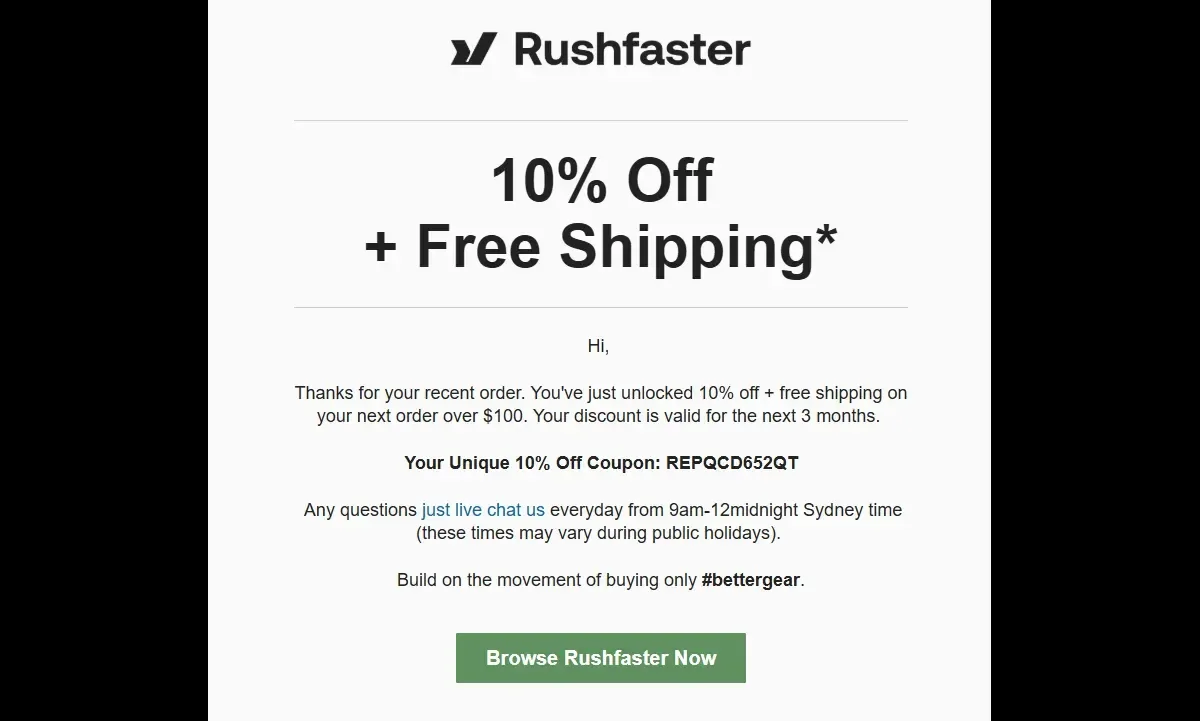
- Send order confirmation emails with a reassuring tone: Reinforce why they made a great choice.
- Provide tracking updates and delivery expectations: Uncertainty about delivery can trigger regret.
- Include setup and usage tips: Show them how to get the most out of their purchase.
4. Make the Return Process Transparent but Not Too Encouraging
A clear return policy builds trust, but it shouldn’t push customers toward returning items unnecessarily.
- Use a fair and flexible return policy: Avoid overly strict rules, but don’t make returns feel effortless.
- Offer exchanges and store credit: Encourage swaps over outright returns.
- Ask for return reasons and offer solutions: If someone selects “wrong size,” suggest an exchange instead.
5. Use Post-Purchase Surveys to Identify Issues
Understanding why customers return products helps refine future purchases.
- Survey customers post-purchase: Ask if the product met expectations and if they need support.
- Analyze return data: Look for patterns-are certain products returned more often? If so, improve descriptions or quality.
Conclusion
Reducing returns and buyer’s remorse starts with clear pre-purchase expectations and a strong post-purchase experience. By focusing on product accuracy, size recommendations, post-purchase reassurance, and transparent yet strategic return policies, businesses can minimize unnecessary returns while increasing customer satisfaction and loyalty.